

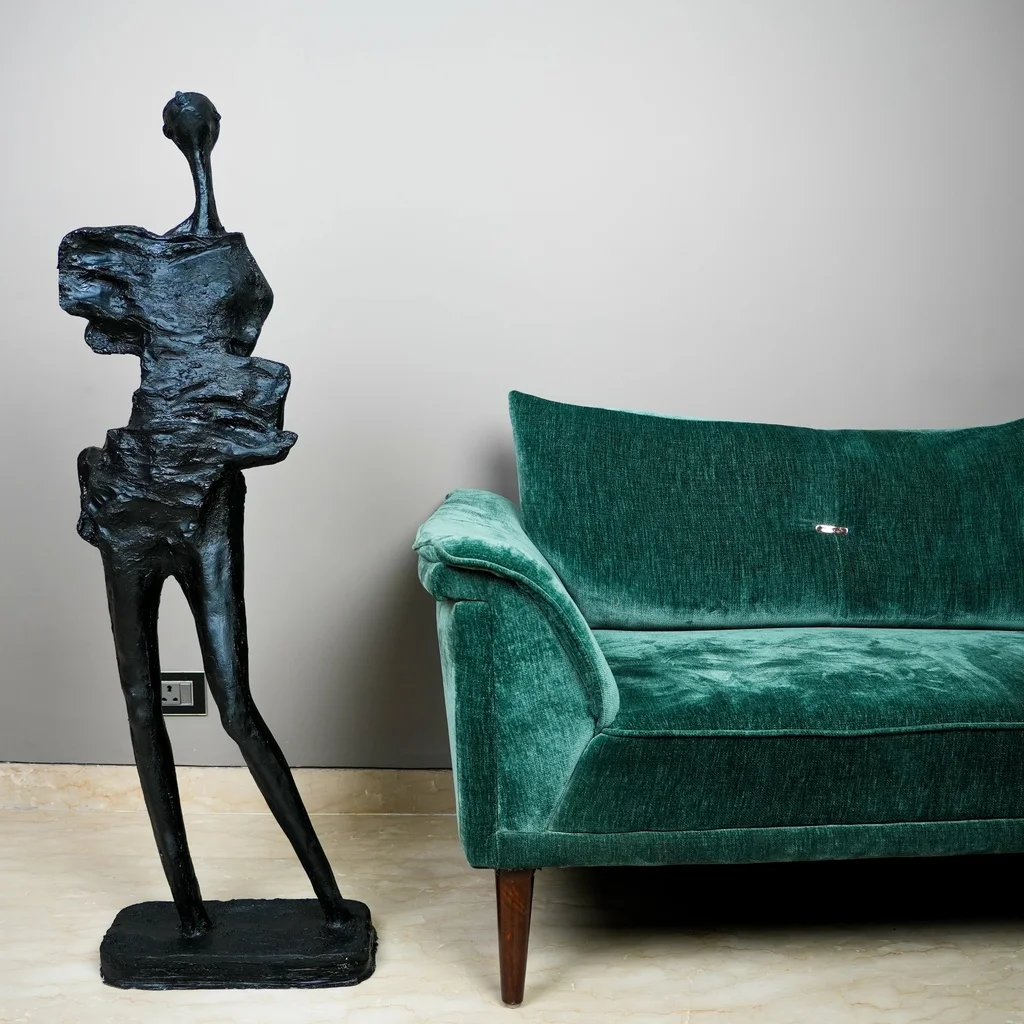
Displaying sculptures at home transforms ordinary spaces into personal galleries. Whether you’ve invested in a striking animal sculpture, discovered captivating abstract art sculptures, or fallen in love with dramatic wall sculpture art, knowing how to position these pieces makes the difference between cluttered décor and curated sophistication. Interior designers approach sculpture display as both art and science—balancing visual weight, lighting angles, and spatial relationships.
This comprehensive guide shares professional techniques for displaying sculptures throughout your home. From tabletop arrangements to floor-standing statements, you’ll learn placement strategies that elevate your collection. Browse our curated sculptures collection featuring 490+ handcrafted pieces spanning bird sculpture designs, figurative works, and sculptural lighting.
Understanding Scale and Proportion
The most common mistake when displaying sculptures is misjudging scale. A delicate cat sculpture overwhelmed by oversized furniture disappears visually, whilst a monumental piece in a cramped corner feels oppressive. Professional designers follow the two-thirds rule: sculptural pieces should occupy roughly two-thirds the height or width of their display surface or surrounding negative space.
For tabletop displays, pieces between 20 and 45 centimetres work beautifully on console tables, mantelpieces, and bookshelves. The Animal Figure Captain Elephant Bust ($249) exemplifies an ideal tabletop scale—commanding presence without overwhelming surrounding objects. Pair with smaller complementary pieces like the Abstract Hand Sculpture ($184) to create dynamic visual conversations.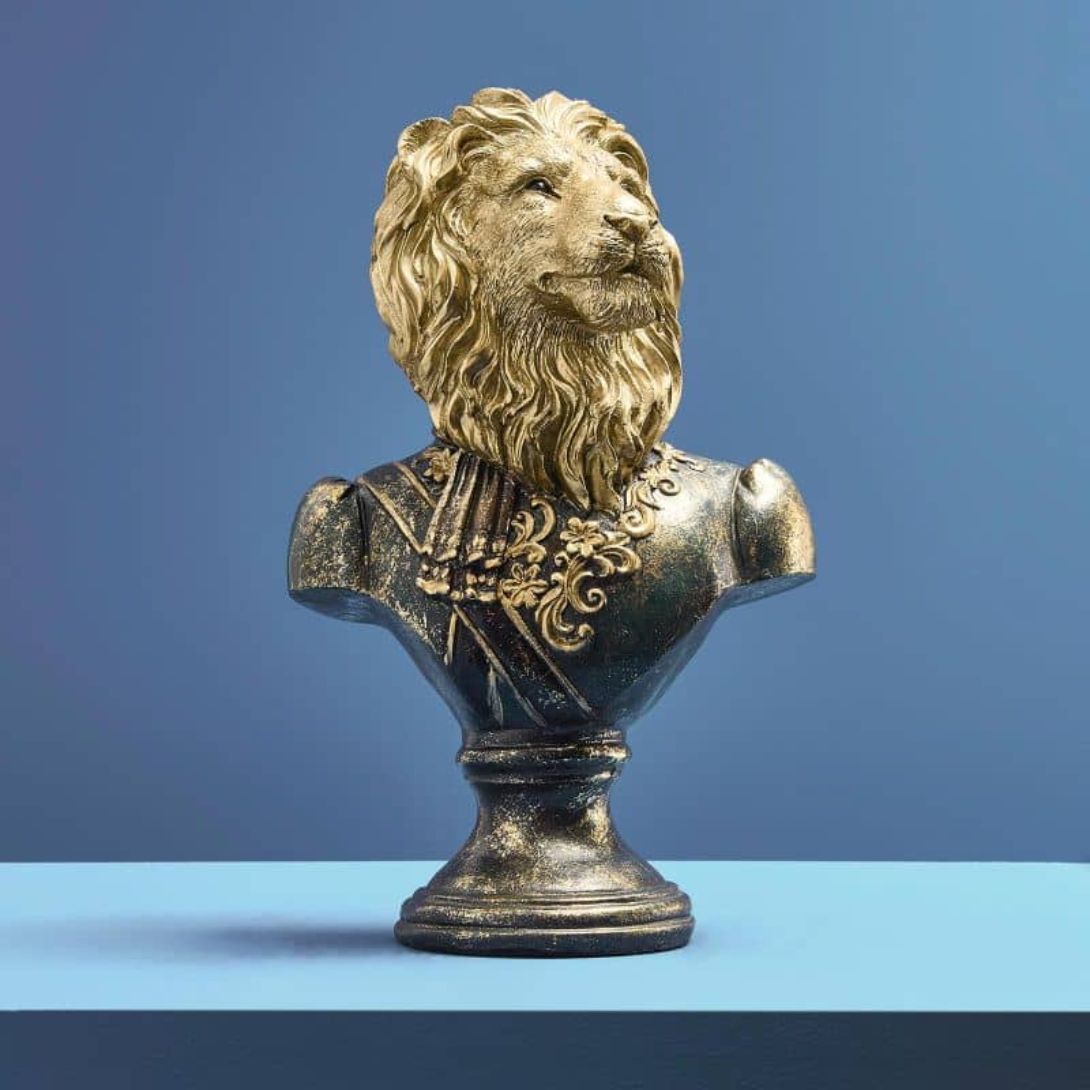
Floor-standing sculptures require more generous proportions. Pieces ranging from 57 to 83 inches create vertical drama in living rooms, hallways, and commercial spaces. The Abstract Drift Sculpture ($849) demonstrates how floor sculptures anchor larger rooms whilst maintaining elegant proportions.
Choosing the Right Display Location
Living Room Displays
Living rooms offer multiple sculpture opportunities. Console tables behind sofas provide perfect staging for animal sculptures and figurative pieces that become conversation starters. The Animal Figure Major Lion Bust ($249) commands attention when positioned at eye level on such surfaces, its regal presence enhancing rather than competing with seating arrangements.
Empty corners present opportunities for floor-standing sculpture. A sculptural floor lamp combines artistic impact with practical illumination. The Abstract Figure Holding Light Orbs Sculptural Floor Lamp ($999) transforms overlooked corners into gallery-worthy focal points. Browse our complete floor lamps collection for pieces ranging from 57″ to 83″ tall.
Hallways and Entryways
Hallways deserve sculptural attention—they’re transitional spaces where guests form first impressions. Narrow hallways suit wall sculpture art and mounted pieces that don’t impede traffic. The Antique Bronze Ostrich Wall Light ($289) combines sculptural presence with practical lighting, creating visual interest without consuming floor space.
Wider entryways accommodate console tables with sculptural arrangements. Consider grouping a larger elephant sculpture with smaller complementary pieces. This layered approach creates depth and demonstrates intentional curation rather than random accumulation. 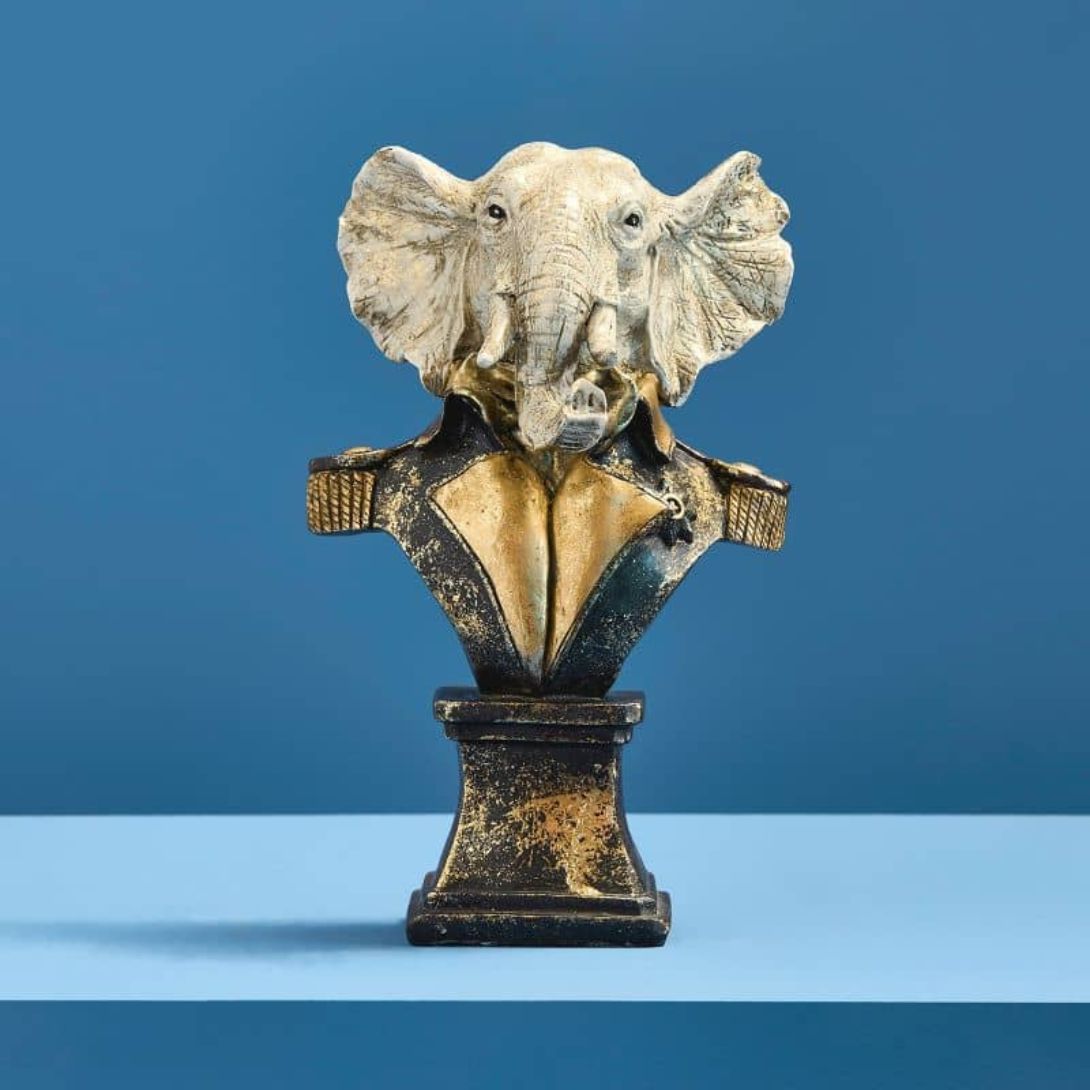
Bedroom and Private Spaces
Bedrooms call for intimate sculptural choices. Sculptural table lamp designs serve dual purposes—artistic presence and functional bedside lighting. The Antique Gold Flamingo Lamp ($244) brings bird sculpture elegance to nightstands while providing warm ambient illumination. Explore our table lamps collection for 1,350+ sculptural lighting options.
Lighting Your Sculptures
Proper lighting transforms good sculpture displays into extraordinary ones. The interplay of light sculpture effects—shadows, highlights, and dimensional definition—separates amateur arrangements from designer-calibre presentations.
Directional spotlights positioned 30 degrees off-axis create dramatic shadow play on three-dimensional pieces. For bronze sculptures of a woman or detailed figurative works, side lighting emphasises surface texture and form. Art sculpture metal pieces benefit from lighting that accentuates their reflective qualities without creating harsh glare.
Natural daylight remains the most flattering illumination for most sculptures. Position pieces near windows where morning or afternoon light creates evolving shadow patterns throughout the day. Avoid direct midday sun on delicate materials or hand-painted finishes.
Grouping and Arrangement Techniques
Designers use the rule of odds—arrangements of three or five pieces create more visually dynamic displays than even numbers. When grouping abstract art sculptures, vary heights and forms whilst maintaining coherent colour palettes or material themes.
Triangular arrangements guide the eye naturally. Place your tallest piece at the rear, medium pieces at mid-ground, and the smallest elements forward. This creates perceived depth even on shallow surfaces. For wooden sculpture collections or sculpture on wood displays, consistent material creates cohesion despite varied forms.
The Animal Safari Table Lamp ($269) anchors safari-themed arrangements beautifully. Pair with smaller bear sculpture, wolf sculpture, or frog sculpture pieces to create narrative groupings that tell visual stories.
Sculpture Stands and Display Plinths
A proper sculpture stand elevates pieces literally and figuratively. Plinths add gravitas to smaller works, bringing tabletop pieces to eye level and creating perceived value. White or neutral pedestals suit Greek god sculpture and Greek bust sculpture pieces, whilst darker woods complement Art Deco sculpture designs.
Acrylic stands offer modern invisibility—the sculpture appears to float. This works particularly well for glass sculptures and art glass sculpture pieces, where the stand shouldn’t compete with translucent beauty. For heavier metal wall sculpture pieces and metal sculpture wall art, ensure mounting hardware supports the weight safely.
Creating Wall Sculpture Galleries
Wall-mounted sculptures and 3d wall art sculptures create dimensional interest that flat artwork cannot achieve. Sculptural wall decor casts shadows that change throughout the day, bringing walls to life. Wood wall sculptures add organic warmth, whilst metal pieces introduce an industrial edge.
The Alligator Lover Wall Lamp ($299) demonstrates how wall sculptures can incorporate lighting, combining animal sculpture artistry with practical function. Such pieces work brilliantly in dining areas, home offices, and feature walls. Browse our animal lamps collection for 185+ sculptural lighting designs featuring creatures from bird sculptures to exotic wildlife.
Building Thematic Collections
Coherent collections tell stronger stories than random accumulations. Consider specialising in animal sculpture themes—safari animals, marine life featuring dolphin sculpture and fish sculpture pieces, or woodland creatures including eagle sculpture and turtle sculpture works.
Nautical themes incorporating brass sailboat sculpture pieces work beautifully in coastal homes. Pop art sculpture collections suit contemporary spaces, whilst classical angel sculpture pieces complement traditional interiors.
The Amazing Bronze and Metal Clock Sculpture ($249) demonstrates how functional sculptures—clocks, lamps, coffee table sculpture bases—integrate art into daily life. View our sculptural tables collection for furniture that doubles as artistic statement pieces.
Caring for Your Sculpture Collection
Proper care ensures your sculptures retain beauty for generations. Most pieces require simple maintenance—dust regularly with soft, dry cloths or feather dusters. For detailed surfaces on sculptures about love, figurative works, or intricate tree sculptures, use soft brushes to reach crevices.
Avoid water and cleaning chemicals on polyresin and hand-painted finishes. Bronze patina pieces, reminiscent of famous marble sculptures in their classical elegance (though easier to maintain), develop character over time—embrace this natural aging. Position sculptures away from direct heating vents and prolonged direct sunlight to prevent material degradation.
Our sculptures ship fully assembled, arriving ready for immediate display. Materials include durable polyresin with hand-painted finishes, natural stone, and welded metal—all selected for indoor longevity. Each piece reflects the skill of dedicated sculpture artists creating works that rank among the greatest sculptures of all time for home display.
Frequently Asked Questions
What is the best height for displaying sculptures?
Centre focal sculptures at eye level (approximately 145-165 cm from the floor). Tabletop pieces work best on surfaces 75-110 cm high. Floor sculptures ranging from 145 to 210 cm create commanding vertical presence without overwhelming standard ceiling heights.
How do I choose sculpture sizes for my room?
Apply the two-thirds rule: sculptures should occupy roughly two-thirds of the height of their display surface or the width of the surrounding negative space. In larger rooms, opt for floor-standing pieces 57-83 inches tall. Intimate spaces suit tabletop sculptures 20-45 cm in height.
Can I display sculptures outdoors?
Most decorative sculptures are designed for indoor display only. Prolonged exposure to rain, direct sunlight, and temperature extremes may cause fading or material degradation. For covered outdoor areas like porches, contact info@lumeartgallery.com for case-by-case guidance.
How should I light my sculpture collection?
Position directional spotlights 30 degrees off-axis to create dramatic shadow play. Side lighting emphasises texture and form on three-dimensional pieces. Natural daylight near windows creates evolving shadow patterns throughout the day. Avoid direct midday sun on delicate finishes.
What materials are best for sculpture beginners?
Polyresin sculptures offer durability, detailed artistry, and easier maintenance—ideal for building your first collection. They resist chipping, allow intricate detailing, and come in diverse finishes from bronze patina to hand-painted colour. Metal sculptures suit contemporary aesthetics, whilst stone pieces provide premium weight and natural variation.