

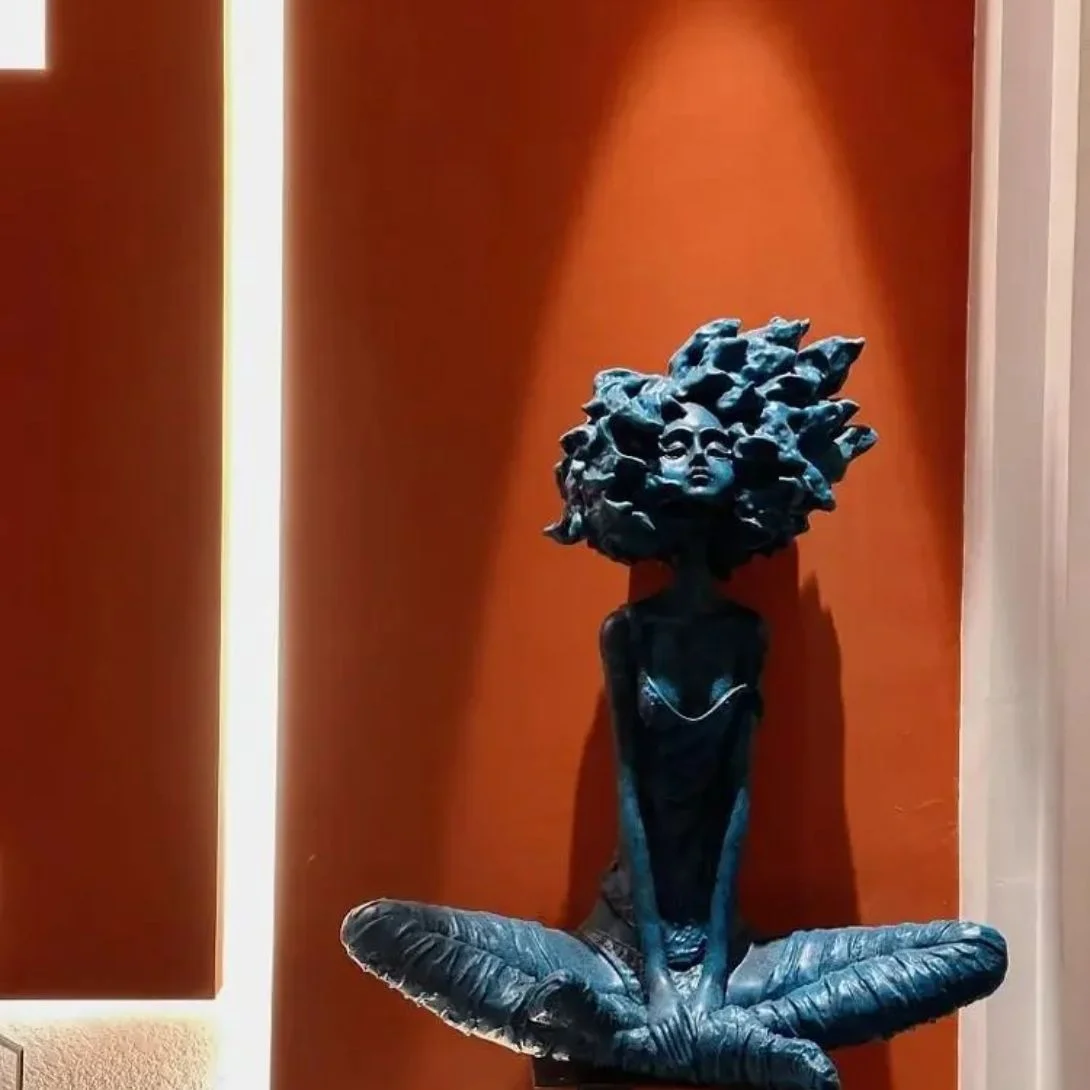
Modern interiors demand art that speaks without words—pieces that invite interpretation, spark emotion, and challenge conventional aesthetics. Abstract art sculptures fulfil this role perfectly, offering viewers freedom to find personal meaning within flowing forms, geometric shapes, and expressive silhouettes. Unlike representational art that depicts recognisable subjects, abstract sculpture celebrates pure form, material, and spatial presence.
This guide explores how to select and style abstract sculptures for contemporary homes. Whether you’re drawn to minimalist forms, dynamic movement pieces, or conceptual installations, you’ll discover strategies for integrating abstract art into modern living spaces. Browse our curated sculptures collection featuring 490+ handcrafted pieces spanning figurative abstractions, art sculpture metal works, and sculptural lighting.
Understanding Abstract Sculpture
Abstract sculpture emerged in the early twentieth century as artists broke from traditional representation. Unlike Greek god sculpture or classical Greek bust sculpture works depicting realistic human forms, abstract pieces reduce subjects to essential shapes, lines, and volumes. This simplification creates universal appeal—viewers bring their own interpretations rather than receiving prescribed narratives.
Contemporary abstract sculpture ranges from organic, flowing forms suggesting natural movement to sharp geometric constructions exploring mathematical precision. The Abstract Drift Sculpture ($849) exemplifies organic abstraction—its sweeping curves suggest motion frozen in time, inviting contemplation without demanding specific interpretation. Such pieces suit modern interiors where clean lines and thoughtful curation define the aesthetic.
Choosing Abstract Sculptures for Your Space
Scale and Proportion
Abstract sculptures demand careful scale consideration. Oversized pieces create dramatic focal points in spacious rooms, whilst smaller works suit intimate display surfaces. The Abstract Hand Sculpture ($184) offers perfect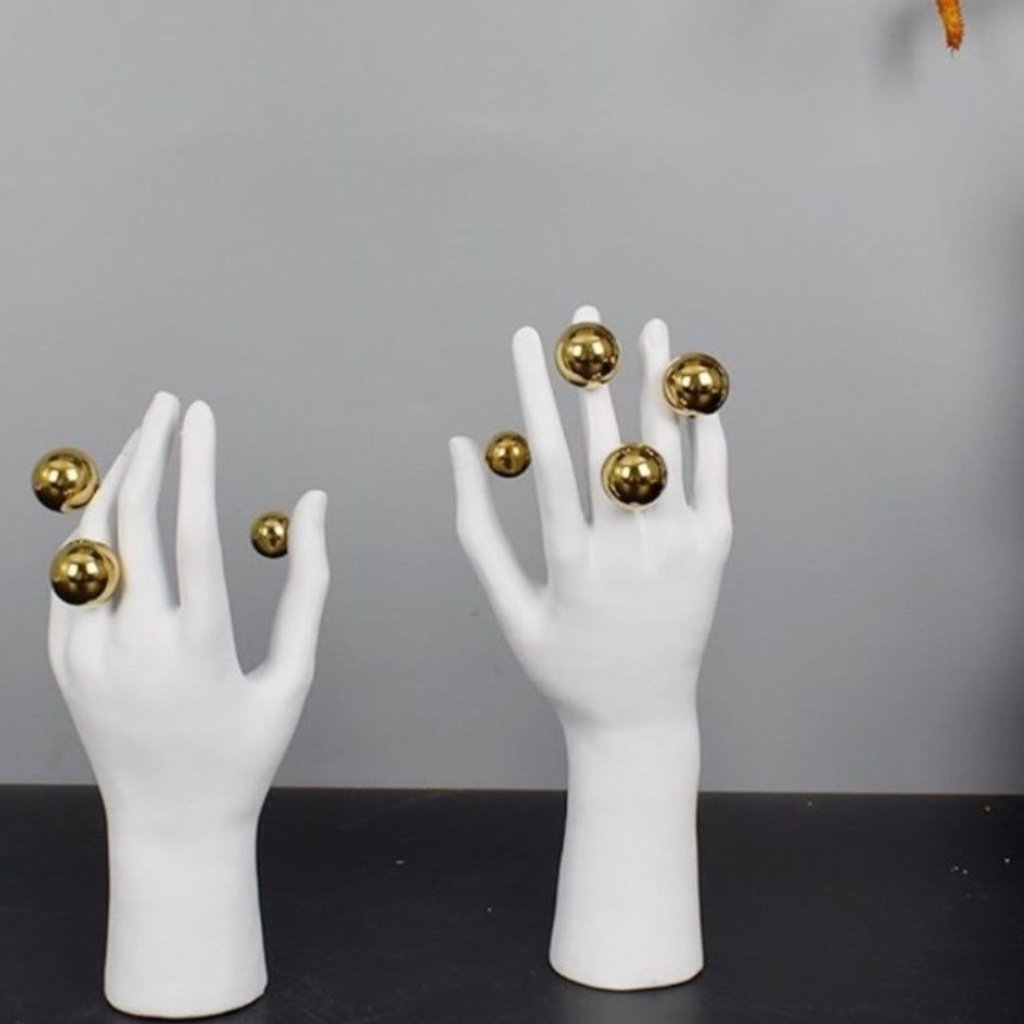 tabletop scale—its white finish with gold globe accents commands attention without overwhelming surrounding décor. For larger spaces, floor-standing abstractions reaching 57–83 inches create commanding vertical statements.
Materials and Finishes
Material choice significantly impacts how abstract sculptures integrate with modern interiors. Art sculpture metal pieces bring an industrial edge to contemporary spaces, whilst wooden sculpture and sculpture on wood pieces introduce organic warmth. Glass sculptures and art glass sculpture works play with light and transparency, creating an ethereal presence.
Bronze and metallic finishes reference the classical bronze sculpture of a woman tradition, whilst maintaining a contemporary appeal. The Amazing Bronze and Metal Clock Sculpture ($249) demonstrates how functional elements integrate with abstract form—its gear mechanisms create visual complexity whilst serving a practical purpose.
Placement Strategies for Abstract Art
Creating Focal Points
Abstract sculptures excel as room anchors. Position statement pieces where natural sightlines converge—opposite entryways, at the end of hallways, or within alcoves designed for display. The Abstract Sculptural Art Piece Woman with Leaf Hair ($749) creates a powerful focal impact with its dramatic vertical presence and organic detailing.
A sculptural floor lamp combines artistic presence with functional lighting, serving dual purposes in modern interiors. The Abstract Figure Holding Light Orbs Sculptural Floor Lamp ($999) transforms forgotten corners into gallery-worthy displays whilst providing ambient illumination. Browse our complete floor lamp collection for abstract lighting designs.
Wall-Mounted Abstractions
Wall sculpture art offers three-dimensional interest without consuming floor space. Metal wall sculptures and metal sculpture wall art pieces cast dynamic shadows that shift throughout the day, adding a temporal dimension to static forms. 3d wall art sculptures create depth on flat surfaces, whilst sculptural wall decor combines artistic merit with practical function.
Wood wall sculptures bring organic warmth to contemporary walls. Position wall-mounted pieces at eye level (approximately 145–165 centimetres from the floor to the centre) for optimal viewing. Group multiple smaller pieces to create gallery-style arrangements that guide the eye across wall surfaces.
Complementing Abstract with Other Sculpture Styles
Modern interiors often blend abstraction with representational elements. Animal sculpture and animal sculptures featuring stylised forms bridge abstract and figurative traditions. Bird sculptures and bird sculptures with simplified silhouettes complement purely abstract arrangements whilst introducing recognisable natural references.
Consider thematic collections mixing abstraction with nature-inspired pieces. Cat sculpture, bear sculpture, wolf sculpture, and elephant sculpture works in stylised forms create cohesive displays that balance recognition with artistic interpretation. Browse our animal lamps collection for sculptural lighting featuring stylised creatures from fish sculpture designs to eagle sculpture motifs.
Abstract Sculpture Across Interior Styles
Minimalist Interiors
Minimalist spaces demand carefully edited sculptural choices. Select one or two statement abstractions rather than multiple smaller pieces. Monochromatic finishes—matte black, pure white, brushed metal—integrate seamlessly with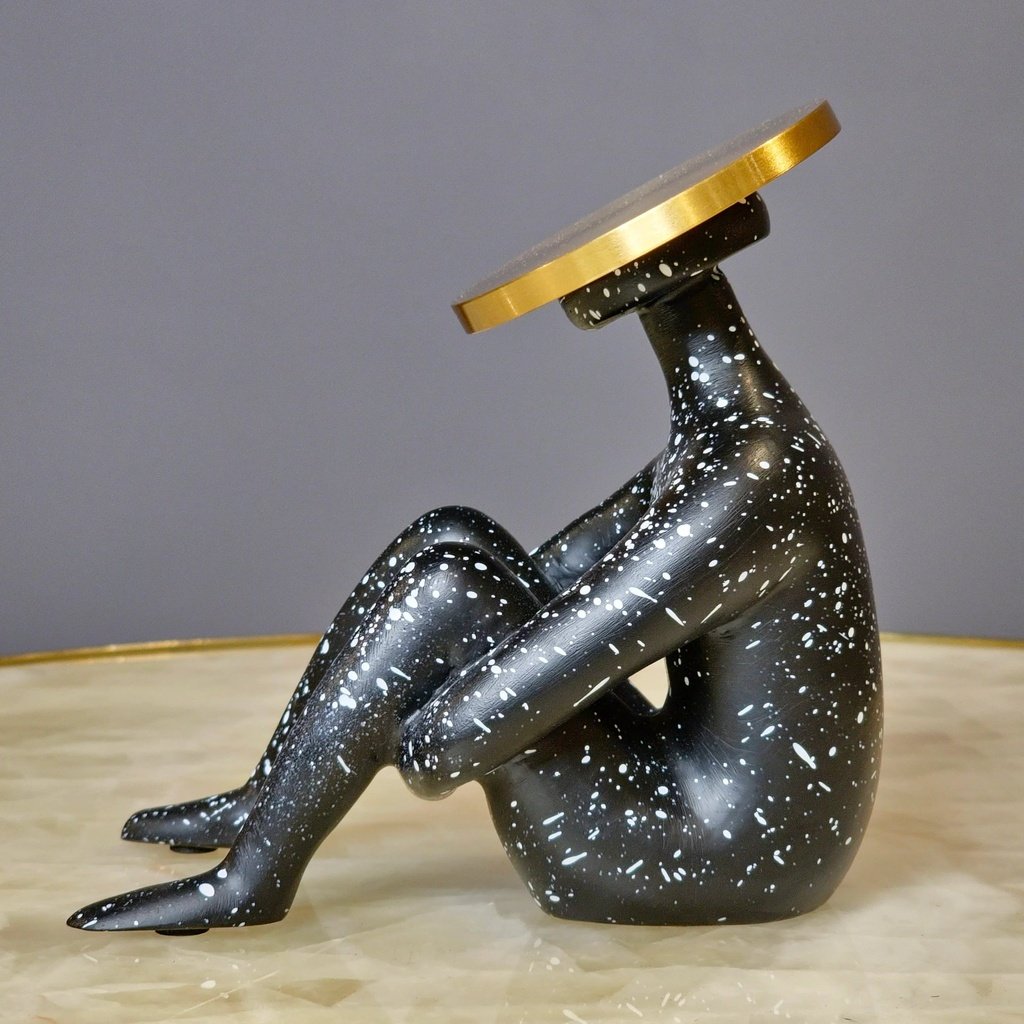 pared-back palettes. The Abstract Black Sitting Decor ($169) offers perfect minimalist scale and finish for console tables and shelving units.
Art Deco and Glamorous Spaces
Art deco sculpture traditions embrace geometric abstraction with luxurious materials—gold, brass, crystal, and lacquer. Pop art sculpture introduces bold colour and playful irreverence. Modern glamorous interiors combine these influences with contemporary abstraction, creating sophisticated layers of visual interest. Sculptural table lamp designs bring functional luxury to bedside tables and console displays. Explore our table lamps collection for 1,350+ sculptural lighting options.
Eclectic and Collected Interiors
Eclectic spaces embrace mix-and-match approaches. Abstract sculptures coexist with angel sculpture pieces, global influences like brass sailboat sculpture, nautical themes, and nature-inspired tree sculptures, turtle sculpture, dolphin sculpture, and frog sculpture works. The key lies in creating visual rhythm through varied heights, materials, and forms whilst maintaining colour or thematic cohesion.
Functional Abstract Sculptures
Modern living appreciates art that serves a practical purpose. Coffee table sculpture bases transform seating areas into gallery spaces. Light sculpture pieces—floor lamps, table lamps, wall sconces—combine illumination with artistic expression. Sculpture stand designs elevate smaller pieces to eye level whilst serving as architectural elements themselves.
View our sculptural tables collection for furniture that doubles as abstract art. These pieces demonstrate how contemporary sculpture artists create works rivalling the greatest sculptures of all time in artistic merit, whilst serving modern functional needs.
Caring for Abstract Sculptures
Abstract sculptures require minimal maintenance. Dust regularly with soft, dry cloths—avoid water and cleaning chemicals on polyresin and hand-painted finishes. Unlike delicate famous marble sculptures or fragile marble sculpture veil techniques requiring specialised care, most contemporary polyresin and metal abstractions withstand normal household environments without issue.
Position abstract pieces away from direct sunlight and heating vents to prevent material degradation. Sculptures about love and emotionally significant pieces deserve protected display positions where they remain safe from accidental damage, whilst accessible for contemplation.
Frequently Asked Questions
What defines abstract sculpture versus figurative sculpture?
Abstract sculpture emphasises pure form, line, and material rather than depicting recognisable subjects. Figurative sculpture represents identifiable subjects—human figures, animals, objects. Many contemporary pieces blend both approaches, using simplified or stylised representations that lean toward abstraction whilst maintaining recognisable references.
How do I choose abstract sculpture colours for my interior?
Consider your existing palette. Neutral finishes—black, white, metallic—integrate seamlessly with most colour schemes. Bold coloured abstractions work as accent pieces, echoing secondary colours in textiles or artwork. When uncertain, monochromatic sculptures in black or white provide timeless versatility.
Can abstract sculptures work in traditional interiors?
Absolutely. Abstract sculpture creates compelling contrast in traditional settings, adding a contemporary edge without overwhelming classical architecture or furnishings. Choose abstractions with organic curves that complement traditional mouldings, or select pieces with bronze or brass finishes that reference classical sculpture traditions.
What size abstract sculpture suits small spaces?
Tabletop abstractions between 15–35 centimetres work beautifully in compact spaces. Wall-mounted sculptures conserve floor space whilst adding dimensional interest. For larger impact without floor consumption, consider tall, narrow pieces that create vertical drama without consuming precious square footage.
How do I light abstract sculptures effectively?
Directional spotlights positioned 30 degrees off-axis create dramatic shadow play, emphasising three-dimensional form. Side lighting accentuates surface texture and material qualities. Natural daylight provides flattering illumination—position pieces near windows where shifting light creates evolving shadow patterns throughout the day.