

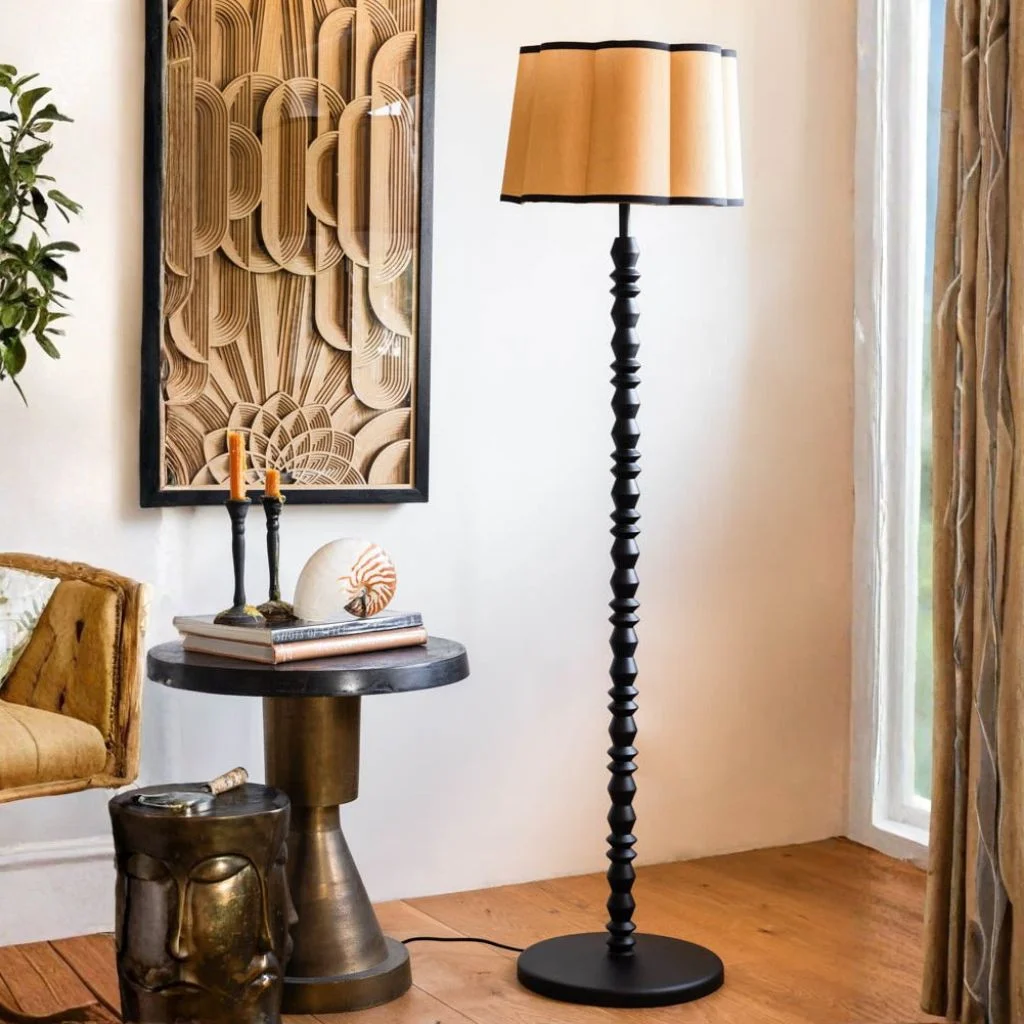
Mastering floor lamp placement can transform any room from flat and forgettable to warm and inviting. Yet many homeowners treat these tall lighting fixtures as afterthoughts, tucking them into random corners without considering how light flows through their space. Whether you’re positioning an elegant arc floor lamp over your sofa, setting up reading lamps beside your favourite armchair, or making a statement with a sculpture floor lamp in your entryway, strategic positioning makes all the difference.
This guide covers everything you need to know about placing floor lamps for maximum aesthetic impact and practical function. We’ll explore placement strategies for different lamp styles, room types, and lighting goals—helping you create the layered, professional lighting design your home deserves.
Understanding Floor Lamp Types and Their Placement Needs
Before diving into specific placement strategies, it’s essential to understand that different floor lamp styles serve different purposes. An arc floor lamp needs clearance to curve gracefully over furniture, while a torchiere floor lamp sends light upward to bounce off ceilings. Knowing your lamp’s light direction determines  where it belongs.
Arc Floor Lamps: The Overhead Alternative
Arc floor lamps feature a curved arm that extends outward, allowing the light source to hang directly over seating areas without requiring ceiling installation. Position these behind or beside your sofa, ensuring the arc extends over the seating area’s centre. Leave at least 60cm between the lamp base and furniture to prevent tripping hazards. The Contemporary Brass Floor Lamp ($319–$419) from our collection demonstrates this sweeping silhouette beautifully, with its adjustable brass arm providing flexible positioning options.
Torchiere and Uplighter Lamps: Ambient Ceiling Bounce
A torchiere floor lamp directs light upward, bouncing it off the ceiling to create soft, diffused ambient illumination. These work best in corners where walls can amplify the reflected glow, or flanking architectural features like fireplaces. Avoid placing them beneath low ceilings (under 2.4m), as the reflected light becomes too harsh. For rooms with 9ft+ ceilings, torchieres create a dramatic sense of height and openness.
Task and Reading Lamps: Focused Functional Light
Reading lamps and task floor lamp with pyramid shade designs require precise positioning. Place the lamp so light falls over your shoulder onto your book or workspace—never directly in front where it causes glare. A swing arm floor lamp offers the ultimate flexibility here, allowing you to adjust the light angle without moving the entire fixture. Position the base beside your reading chair, with the arm extending to cast light precisely where needed. The Antique Brass 2 Arm Floor Lamp ($319–$479) offers dual-arm adjustability for this exact purpose.
Room-by-Room Floor Lamp Placement Strategies
Living Room Placement
The living room typically needs multiple light sources at varying heights. Position your primary floor lamp in one of these high-impact locations:
Behind the sofa corner: Ideal for arc lamps and taller sculptural pieces. This placement creates a dramatic backdrop while providing practical reading light for sofa occupants.
Beside an armchair: Perfect for reading lamps, swing arm designs, and traditional floor lamps. The Black Wood Spindle Floor Lamp ($319–$479) works beautifully in this position, its warm wooden tones complementing leather and fabric upholstery.
Flanking a fireplace or TV unit: Use matching or complementary lamps to create symmetry. This arrangement anchors the room’s focal point and provides balanced ambient lighting for evening viewing.
Bedroom Placement
Bedrooms benefit from softer, more intimate lighting. Place floor lamps in corners to create ambient pools of light, or position a modern black floor lamp beside a reading chair or chaise longue. Avoid placing floor lamps directly beside the bed where they might be knocked over; bedside table lamps serve that function better. Our Black Wooden Lamp ($339–$819) offers the sculptural presence of a statement piece while providing soft, diffused illumination perfect for bedroom atmospheres.
Hallways and Entryways
Entryways present unique placement opportunities. A sculpture floor lamp positioned beside a console table creates an immediate impression of sophistication. For narrow hallways, choose slimline designs that won’t obstruct traffic flow. Our 71″ Black Novelty Floor Lamp ($999) and similar sculptural pieces transform these often-neglected spaces into gallery-worthy moments. Position them where natural sightlines draw the eye—typically beside mirrors, artwork, or at hallway ends.
Layering Light: Combining Floor Lamps with Other Sources
Professional interior lighting follows the three-layer principle: ambient, task, and accent. Floor lamps can serve all three functions depending on their design and placement. A traditional floor lamp with a fabric shade provides soft ambient light, while a task floor lamp with pyramid shade delivers focused illumination. Tiffany floor lamps and stained glass floor lamp designs function as accent pieces, casting colourful patterns that enhance décor themes.
When layering, ensure floor lamps complement rather than compete with ceiling fixtures and table lamps. If your ceiling light provides bright general illumination, opt for floor lamps that contribute warm pools of light in specific zones. The Coastal Rustic Pickled Wood Floor Lamp ($309–$469) exemplifies this approach, offering soft, directional light that enhances a room’s atmosphere without overpowering existing fixtures.
Style-Specific Placement Considerations
Antique, Brass, and Traditional Styles
Antique brass floor lamp designs and cast iron antique floor lamp fixtures carry historical gravitas that demands considered placement. Position them where their craftsmanship can be appreciated—beside wingback chairs, flanking bookcases, or illuminating reading corners in studies and libraries. Bronze floor lamp and chrome floor lamp finishes similarly benefit from positions where their metalwork catches and reflects light, adding depth and dimension to traditional interiors.
Coastal and Rustic Styles
Coastal floor lamp designs and rustic floor lamps bring organic textures that complement natural materials throughout a space. Place these near wooden furniture, rattan accessories, or beside windows where they connect indoor and outdoor aesthetics. The Brown Wooden Lamp ($339–$819) with its natural timber construction exemplifies this relaxed elegance, working beautifully in beach house settings, country cottages, and urban apartments seeking a nature-inspired retreat.
Global and Artisan Styles
Japanese floor lamp designs, Turkish floor lamp mosaics, and Tiffany stained glass floor lamp artistry deserve placement as feature pieces. Position them where their intricate details can be observed—beside seating areas where guests will appreciate the craftsmanship, or in corners where their glow creates intimate atmosphere without competing with overhead lighting. These lamps often work best as the room’s primary decorative statement, so avoid cluttering their surroundings.
Practical Tips for Perfect Placement
Consider cord management: Position lamps near power outlets to avoid trailing cables. If your ideal position lacks an outlet, consider cord covers that run along skirting boards for a cleaner look.
Mind the height: The bottom of your lampshade should sit roughly at eye level when seated. This prevents glare while maximising light distribution.
Account for traffic flow: Leave clear pathways around floor lamps. A minimum 60cm clearance prevents accidents while allowing the lamp to remain visually prominent.
Test at night: Position your lamp, then evaluate its effect after dark when artificial lighting takes over. Adjust placement based on how light pools, shadows fall, and the overall atmosphere it creates.
Frequently Asked Questions
Where is the best place to position a floor lamp in a living room?
The best positions for floor lamps in a living room include behind the sofa corner (ideal for arc lamps), beside an armchair for reading, flanking the fireplace or TV unit for symmetry, and in dark corners that need additional ambient light. Position the lamp where it serves both functional and aesthetic purposes without obstructing traffic flow.
How far should a floor lamp be from furniture?
Maintain a minimum clearance of 60cm between your floor lamp and surrounding furniture to prevent tripping hazards and allow easy movement. For reading lamps positioned beside chairs, place them close enough (within arm’s reach) to adjust the light angle, but far enough to avoid the lamp being knocked over when sitting or standing.
Should floor lamps be placed in corners?
Corners are excellent positions for torchiere (uplighter) floor lamps and sculptural statement pieces. The walls amplify reflected light from torchieres, creating soft ambient illumination. Sculptural lamps benefit from corner placement as it highlights their form from multiple angles. However, reading lamps and task lights generally work better beside seating areas where they can provide directed light.
Can you put a floor lamp behind a sofa?
Yes, placing a floor lamp behind a sofa is a classic placement strategy, particularly for arc floor lamps whose curved arms can extend over the seating area. Ensure there’s adequate space between the sofa back and the lamp base (at least 30cm) to access the switch and prevent the shade from touching the sofa fabric. This position creates beautiful backlighting and provides practical illumination for those seated.